


Now that you have your first Reprocessing Plan ready to go, you typically start with the youngest memory to reprocess. Why? It is the seed that planted the whole tree. The pattern of behavior, emotions, sensations, difficulties you are trying to change. It is the most efficient way to reprocess memory networks.
The cool thing about the brain is it is very efficient at reprocessing. It will not only desensitize the memory but will reprocess other memories as well. So other memories that have some similar association may also be reprocessed. This is what I love about EMDR therapy.
In the early days of EMDR, when it was only a technique, the memory targeted would be desensitized and symptoms would improve. But we started to notice that symptoms would sometimes return. EMDR started to get a reputation that it worked for a while but then stopped working. What I love about the EMDR community is, we don’t say it doesn’t work, we start asking and researching what will work. It has evolved to this 8 phase model of therapy all to itself. It is no longer a technique.
We started realizing there were many memories that could be driving the same symptoms, patterns of behavior, emotional states and so on. The three-prong plan was developed.
The Past Prong makes a comprehensive list of memories related to the Presenting Issue. For instance, if your Presenting Issue is being abused or feeling abused, you will have a list of memories when you were abused, or felt abused, physically, emotionally and/or sexually. If your Presenting Issue is being or feeling abandoned, you would have a list of memories when you were or felt abandoned.
When you are ready to reprocess your first memory, if you choose the youngest memory, the first time it happened, when you reprocess the brain will rapidly and spontaneously revisit other memories of the same kind of thing happening. This is what reprocessing is. This is why it is so efficient.
The youngest memory can take a long time to reprocess in some cases because it is accessing a lot of memories in the network. By the time you move up the list of memories you will find some are already less upsetting and some are completely resolved because earlier memories that were reprocessed cleared those as well. Often when I go up the list of memories with people, they are amazed, and relieved that they did not have to do all of them. It takes a lot of work sometimes to put the past list together, but it pays off in a big way later. You get to see more of the progress made than if you did not. The more memories on the list the more opportunity for the brain to access memories that were not consciously recalled. There are always more memories in the other than conscious parts of the brain than in the conscious parts of the brain.
Sometimes people start with later memories because of some difficult circumstances. It is not as efficient and sometimes does not work (remember when I mentioned in Part 5 about the woman whose recent sexual assault would not resolve and it turned out she had two previous assaults. Once she cleared the earlier ones the recent one was resolved). But in complex circumstances it can be a way to start and build capacity for reprocessing.
Phase 3: Assessing a Target Memory for Reprocessing
As we talked about before, memories have different components, sights, sounds, smells, tastes, beliefs, thoughts, sensations.
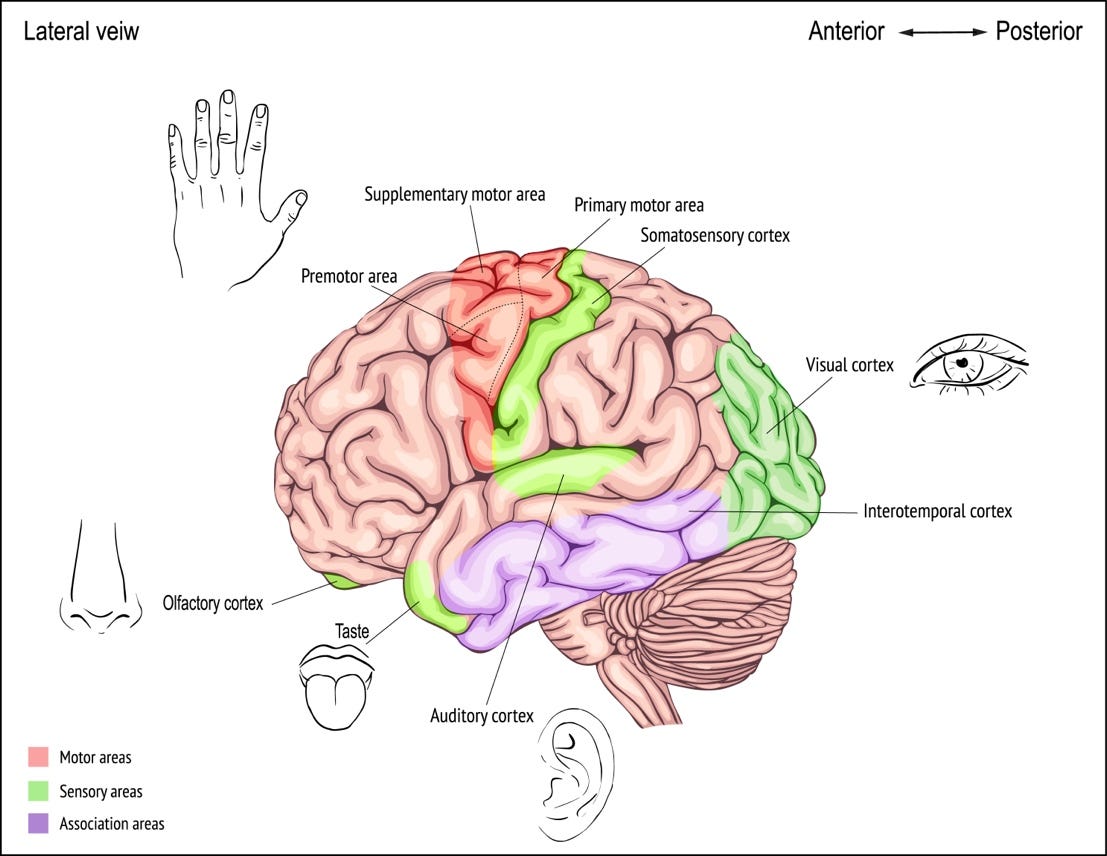
So, in Phase 3, we are assessing the most upsetting part of the memory to activate the components so we can start reprocessing.
When you bring up the most upsetting part of the memory, we start with an image, which tends to start the activation already. Then look for the negative self-referencing belief about yourself that you experience today when recalling that worst part of the memory. Notice we are not asking what you believed about yourself back when that memory was happening. We are looking at how the memory is affecting you right now.
Core Beliefs Are Not Thoughts
This is one of the most challenging parts of starting to reprocess a memory. Especially in this day and age. Everyone is up in their head thinking. The thing is, if you are thinking you are not reprocessing. So, experiencing the difference is quite a challenge for some people.
Beliefs are short, one liner I statements that tend to bring up emotion. Thought often is a way the brain tries to manage things by avoiding emotion. Some examples of core beliefs are: “I’m not good enough.” “I can’t trust myself.” “I’m not safe.”
We are conditioned to go into a bunch of explanation, rationalization and justification for out thoughts. That is not a core belief. Explanation, rationalization and justification are not only conditioning but also a way to keep the pain at bay. Which is useful until the backlog of internal suffering becomes too much and symptoms become too much, often unmanageable. We go for the core belief that is driving the symptoms.
**
After you have identified an image and negative self-referencing belief, you will choose a positive self-referencing belief you would like to have instead when thinking of the memory. And you will measure how true it currently feels when you recall the memory. This will be used later in reprocessing and could change after reprocessing upsetting material.
Once we have completed those two cognitive processes, we get things activated to start the reprocessing. We have you bring up the image and the negative self-referencing belief and notice what emotions show up, how upsetting it feels, and where you experience the upset in your body. Then we start the reprocessing of the memory and other memories in the network that may arise.
You don’t have to hold all of this. Your EMDR practitioner should know how to do this. It is most important that you are experiencing what you are experiencing as you and your clinician are assessing the memory target for reprocessing. I just thought you should have some awareness of the assessment process.