


Most people think memories are the images they may get from past experiences. But those images are only one component of a memory. And some people do not get images of past memories, but it is other components of a memory they recall.
When you have an experience there are a number of things you are experiencing all at once. Sights, sounds, smells, thoughts, tastes, sensations, beliefs and so on. Each of these components is stored in different parts of the brain. So, when you have a memory arise you will often have many of these components arise at the same time.
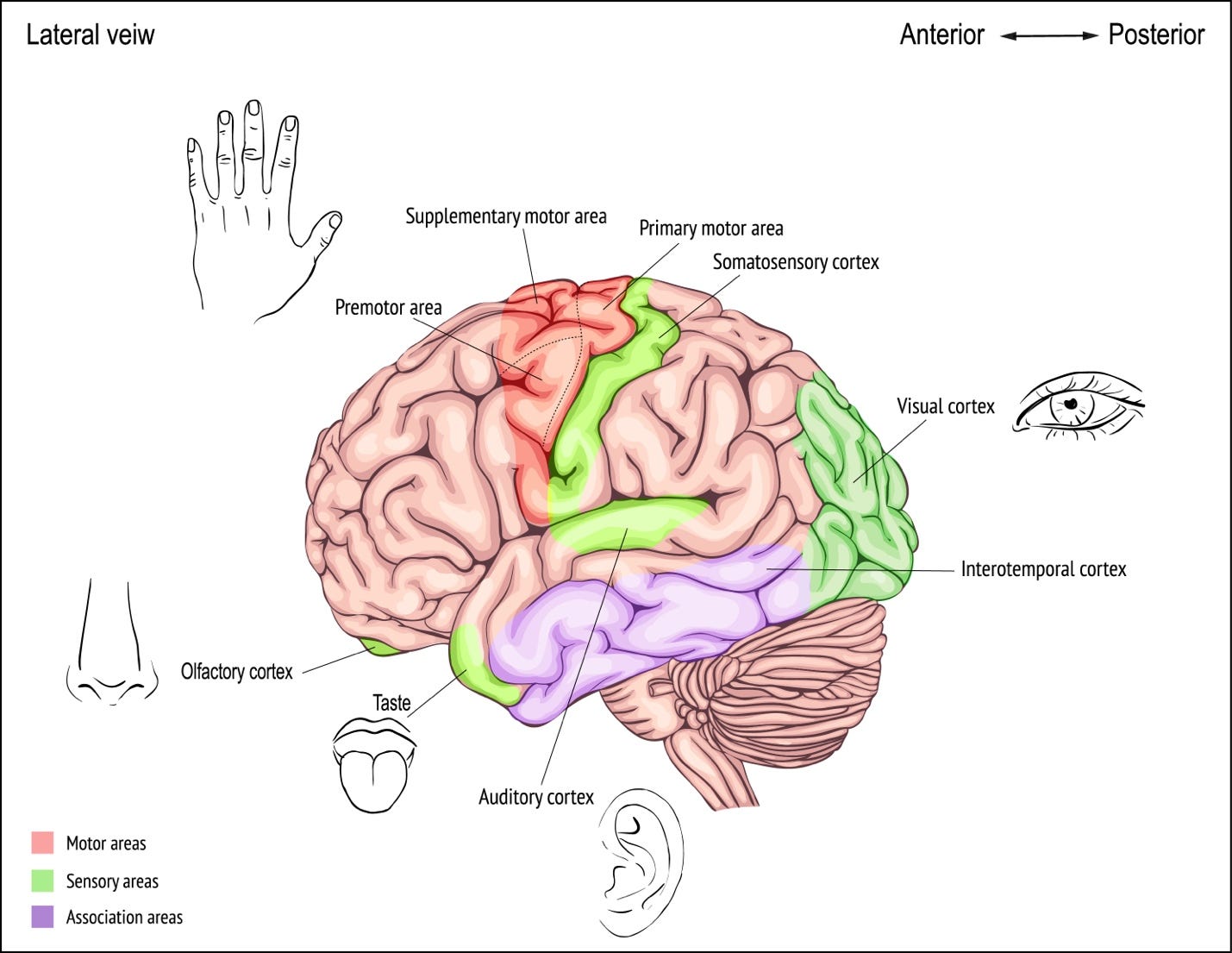
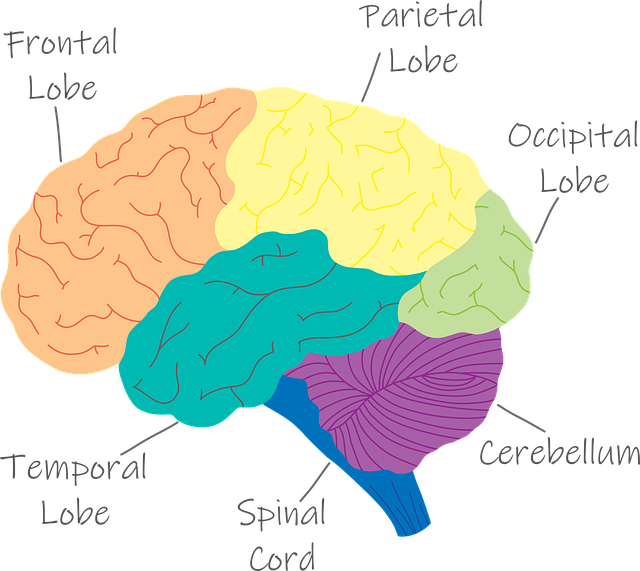
The sights, sounds, smells, tastes, physical sensations are all stored in the unconscious parts of the brain. You can’t use your thinking to change them. The thinking part of your brain is in the prefrontal lobe.
Let’s say you are driving down the road and suddenly a song comes on and you are suddenly flooded with sights, sounds, smells, emotions, thoughts from a particular memory that happened when you were in junior high school/middle school. You suddenly feel like you are 13 or 14 years old. You might feel ashamed or humiliated. But nothing bad is actually happening to you in the moment. You are reliving the memory.
This is why in EMDR therapy we work from the Adaptive Information Processing Model, which essentially say past experiences drive current behavior. If those past experiences are adaptive, you will have a positive or neutral experience. If those past experiences are maladaptive, you will have a maladaptive experience.
I often say to people that if you want to clear a lot of maladaptive experiences out just listen to songs you listened to in your early years. I know if I react to a song from my past, and get a flood of memories that I need to take some time to reprocess those memories, so they no longer inform my current experiences and choices.
The other than conscious parts of your brain can process billions of bits of information per second. Your prefrontal cortex only processes 6 bits of information per second. So, trying to think your way into change really cannot occur unless the other than conscious parts of memories also change.
In EMDR therapy we use rapid lateral eye movements to reprocess old memories that are still driving current thoughts, emotions, sensations, beliefs, etc.
When we use rapid eye movements it prevents us from thinking. Thinking is basically conditioning from the outside world in how you should do things, what is acceptable and what is not. How you view the world that will be different from how others have experienced the world, or how it is the same as some people have experienced the world. All that is fine and good in some situations, like not hurting someone. But it can also be a huge problem if you are attacking yourself based on external conditioning that is detrimental to you and or society.
When we reprocess maladaptive memories in EMDR therapy, we bring up different components of the memory (sights, negative self-belief, emotions, physical sensations) to activate it and then start the reprocessing.
When a memory is reprocessed the sights, sounds, smells, tastes, physical sensations, self-beliefs that were painful become neutral. People often report the memory is neutral, has no charge, even in the past and no longer relevant. I am always amazed at how someone starts with a particularly horrific memory causing so much suffering, and ends up saying the memory is irrelevant, is over and in the past once it is reprocessed.
There is no thinking involved in this process so the brain can actually neutralize the other components of memories.
Now the brain already knows how to do this. Notice that there are some memories you have that when you think of them, they are just old memories. They may seem faded and really do not bring up a lot of components. That is a memory your brain reprocessed on its own. Then if you think of other memories that bring up uncomfortable or painful components to the memory, those memories have not yet reprocessed.
Why did they not reprocess. Sometimes the experiences were so big it was overwhelming and the reprocessing does not occur. Sometimes the same thing keeps happening over and over so it is never really done, and it gets stuck.
The brain cannot reprocess it. I think of EMDR therapy as a way to jump-start the brain’s natural capacity to move to health. Once we do a reprocessing session the person’s brain continues to reprocess during the week between sessions. So, a lot gets done.
It is important to remember that if you are having an inflated reaction to a current situation that is actually benign, that it is because there is a sight, sound, smell, taste, sensation, situation, location, personality type, (all are components of memory) in the present circumstance that is linked to a previous memory that was unpleasant or traumatic.
The good news about the brain is it links similar experiences together as a way to make it easier to negotiate new circumstances with previous experience. For instance. I get in a car for the first time and learn some things about driving a car, adjusting the rear-view mirror, adjusting my seat, looking out all windows before pulling out, engaging the gas, break and clutch pedals, and so on. Next time I get in a car I already have some familiarity and can draw on that past experience to engage in the process again. Each time I get in the car I develop more and more familiarity. Eventually I don’t have to think through in detail each thing I have to do in the car to drive it. It has become automatic. Neuropathways in my brain have been built to handle it from past experiences.
Now I get into a car that is a different make and model, and this one has a clutch. So essentially much of what I already know automatically applies, I may need to find where some of the components are, but now I have to learn to negotiate a clutch and gas pedal and brake pedal together. The repetition of doing so will build new neuropathways in my brain and it will become automatic.
Then I get into my new hybrid car. Although I have many decades of experience driving a car, this one is not a manual transmission. I have some previous experience to draw on driving an automatic transmission, that my brain can draw on, and it takes a bit of time driving an automatic transmission for it to become automatic again. Some of those old neuropathways have atrophied and are not as strong as they once were. Now I have to go through the repetition of driving the automatic transmission for a while for it to become an automatic process for me. It does not take as long as learning a new skill.
This hybrid car has many, many new functions my old ones did not. So, I now need the repetition of using the various new functions for it to become automatic.
If you are triggered by something in present time (let’s say that song on the radio) there is nothing wrong with you. It is just something in the current environment is alerting you to an old memory or memory networks (more than one memory) that the brain has not yet reprocessed.
It is actually an opportunity to clear an old memory, or memories. The reaction is not always fun but can be empowering when you are aware of what is occurring and if you have a practitioner who knows how to help you clear components of memory that are not accessible through thinking. Or if you have gathered a multitude of modalities you use yourself.
Now that being said, for some memories (or memory networks) you will need the help of a practitioner if addressing the memory(ies) will overwhelm you. The whole reason the brain did not reprocess it on its own is something blocked that from happening.
I hope this explanation will help some of you to stop attacking yourself over reactions that are just your innate wisdom prompting you to health. The symptoms are merely telling you that old memories have not yet reprocessed and are ready to change. Whether you need to reach out to a professional who has the skills to guide you as needed, or you are seasoned at clearing past experiences and have tools to do so, please listen to yourself and clear the memories.
The benefit is you do not get triggered by the memory components from unprocessed memories any longer. It frees you up to respond from who you are authentically instead of having to use managing mechanisms to get through the symptoms. Symptoms only arise when things are not yet reprocessed.